
What Gaming Reflexes Really Are
Gaming reflexes aren’t just about how fast you can click a button they’re a blend of mental and physical precision. Understanding the mechanics behind reaction speed, muscle memory, and input accuracy allows players to train smarter and perform better.
The Science Behind Reaction Speed
Reaction speed is your brain’s ability to process an event and send a signal to your body to respond. In gaming, these responses must happen in fractions of a second.
Neural processing time: How quickly your brain interprets visual or auditory cues
Motor response: How fast those signals translate to physical movement
Execution accuracy: Moving or clicking in precisely the intended way
Milliseconds may sound insignificant, but in a competitive game, they can be the difference between winning or losing a duel.
Muscle Memory and Input Accuracy
As players repeat actions over time like aiming, dodging, or combo execution their muscles begin to “remember” the motions. This leads to faster, more precise gameplay with less conscious effort.
Regular drills build reliable input habits
Reduced hesitation during complex movements
Improved consistency under pressure
Reflexes vs. Decision Making: What You Can Actually Train
While reflexes are often seen as innate, many aspects can be trained. The key is distinguishing between raw reaction time and cognitive decision making.
Trainable: Pattern recognition, input optimization, situational awareness
Less trainable: Pure visual reaction time (though slight improvements are possible)
In game speed isn’t just about reflexes it’s also about choosing the right action quickly. Training both gives players a tactical edge.
Why Every Millisecond Matters in Competitive Play
Modern games, especially FPS, RTS, and fighting titles, are shaped by split second engagements.
Getting the first shot off in an FPS
Landing a frame perfect combo in a fighting game
Quick multitasking in real time strategy scenarios
In esports and ranked ladders, timing is everything. Players who develop sharp reflexes down to the millisecond will consistently outperform those who hesitate even just slightly.
Train Your Brain, Not Just Your Hands
Improving your reflexes isn’t just about spamming more buttons it starts upstairs. Cognitive speed matters just as much, if not more, than how fast you move your fingers. Drills that focus on attention, pattern recognition, and reaction timing can give you the edge, especially in competitive play where milliseconds separate wins and losses.
Start with reaction based tools like Human Benchmark, which tracks your response rates over time. Games like Aim Lab and KovaaK’s FPS Trainer aren’t just mechanical targeting tools they come packed with cognitive challenges that train your brain to identify enemy patterns and make snap decisions. Other apps, like NeuroNation or Lumosity, offer targeted workouts focused on memory, logic, and focus useful across all game genres.
Pattern recognition is what separates guesswork from instinct. In a fast moving game, recognizing behavior loops enemy peeks, zone rotations, cooldowns lets your brain pre load actions before the chaos hits. The more you practice reading patterns, the less you’re reacting cold and the more you’re predicting the next move.
Mental agility is trainable, just like physical skill. Commit 10 15 minutes daily to drills, and you’ll notice a shift. More confidence under pressure. Faster picks. Sharper decision trees. In games, your brain is both the engine and the driver start building both.
Physical Conditioning for Gamers
Good reflexes don’t just happen at the keyboard or the controller they start with your body. Mobility and hand eye coordination are often overlooked, but they’re core to how quickly and precisely you can react. Tight shoulders, stiff necks, or sluggish hands slow the signal between brain and movement.
Start small. Daily finger dexterity drills like rubber band stretches or using a grip trainer keep your hands responsive. Neck rolls and shoulder shrugs release tension that creeps in after hours of sitting. Eye tracking exercises, like following a pen smoothly from side to side or focusing between near and far objects, help maintain visual sharpness and focus speed. None of it is fancy. It just works.
What you put into your body matters, too. Dehydration messes with cognitive performance. Low blood sugar tanks focus. A steady supply of complex carbs, lean protein, and water keeps your brain and muscles firing on time. Think of food and hydration as part of your loadout. It’s fuel, not fluff.
You don’t need to be an athlete. But if you want fast hands and a clearer mind, you need to treat your body like it matters because it does.
Game Specific Practice Techniques
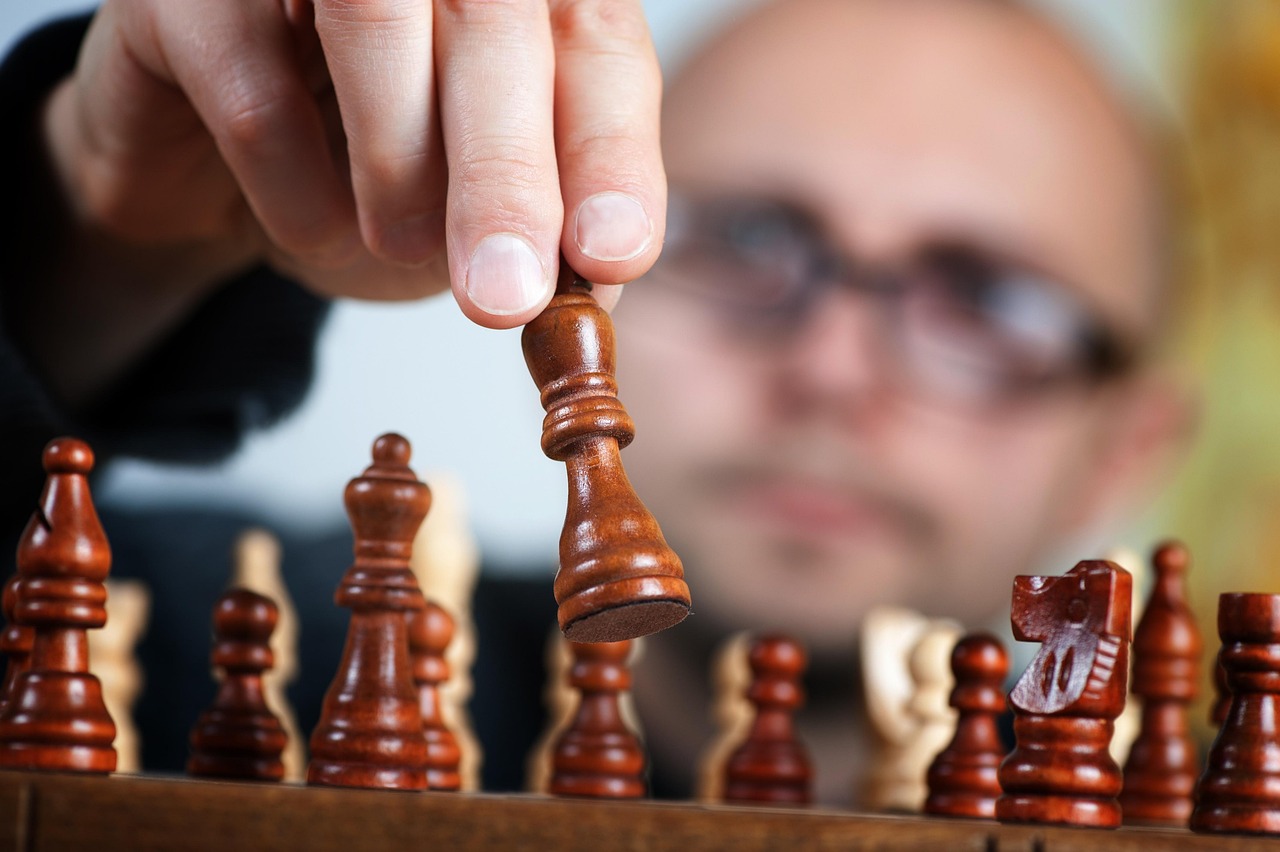
Before a serious match, pro FPS and RTS players don’t just dive in. They warm up like athletes. That might mean 10 15 minutes of aim trainers like Kovaak’s or Aim Lab for FPS players, running standard micro drills for RTS players, or replaying select scenarios to get their timing sharp. The goal is to shift your brain into game mode faster clicks, tighter focus, fewer misreads.
Then there’s sensitivity tuning. It sounds basic, but small changes here make a big difference. Low sensitivity gives better precision, high sensitivity gives speed but the sweet spot is whatever lets you stop exactly where you mean to. Spend time testing your DPI and in game settings until snapping to targets feels second nature, not like wrestling your mouse.
Recording your gameplay is just as essential. Most people play in a loop, making the same mistakes without noticing. But watching yourself back especially during slow reactions or bad engagements exposes what needs fixing. Missed first shots? Losing track of units? That’s where you start replacing instinct with intention.
For a more detailed breakdown on dialing in your speed and performance, check out Explore deeper strategies for achieving faster gaming reflexes.
Devices and Gear That Actually Help
If you’re still gaming on a ten year old keyboard and a discount mouse, stop blaming the lag on your internet. Hardware makes a difference, and it’s not just about flashy RGB. Mechanical keyboards offer faster actuation and feedback. High DPI mice help track subtle movements with precision especially for FPS games where micro adjustments matter. And low latency monitors? They can shave milliseconds off your input delay, which adds up over long sessions.
But don’t sleep on controller setups. Whether it’s paddles on the back or remapping triggers for faster reach, the right controller layout can keep your thumbs from bottlenecking reaction time. For console players, this is game changing.
Input lag is the silent killer of reflexes, and tuning your setup to minimize it can give you a real edge. Match your monitor’s refresh rate to your frame rate, turn off motion smoothing, run wired connections where possible, and keep background apps on a short leash. Fast fingers need fast feedback. The gear should disappear what matters is how instantly it obeys.
Habits That Hurt Your Reflexes
It’s easy to assume grinding longer equals getting better. It doesn’t. Over practicing without rest slows your progress, not speeds it up. Muscle memory needs downtime, and your brain needs space to file the patterns you’re training. If you’re feeling off, slower than usual, or easily distracted that’s not weakness; that’s fatigue.
Sleep matters more than most gamers want to admit. So do screen breaks and even basic posture. Slumped shoulders and stiff backs lead to shallow breathing and poor blood flow subtle stuff, but it adds up during those five hour ranked sessions. Take your hands off the keys, stand up, look away from the screen every hour or so. You’ll play faster, longer.
And learn to recognize when your brain is “done” for the day. No amount of caffeine or motivational playlists will fix cramped focus. Knowing when to stop isn’t soft it’s strategy.
Train smart. Rest hard.
Level Up with Consistency
Improving your gaming reflexes isn’t about quick hacks or one time efforts it’s about showing up consistently. Whether you’re aiming for faster reaction time in FPS games or smoother mechanics in MOBAs, building a long term routine is key.
Structure Your Training
Success starts with a clear plan especially when you’re dealing with skill development that takes time. A structured training routine gives your practice purpose and direction.
Break your week into focused training sessions (e.g., aim drills, reflex tests, gameplay reviews)
Alternate between cognitive and mechanical drills to avoid plateaus
Schedule downtime and recovery just like workouts
Track Small Wins
Big gains come in small increments. By tracking even slight improvements, you stay motivated and focused on your progress.
Use performance tracking tools or a simple journal
Record metrics like reaction speed, accuracy, or game specific stats
Celebrate improvements even fractional gains count
Discipline Over Shortcuts
There’s no substitute for consistent work. Content creators, pro gamers, and streamers who excel all have one thing in common: habits that support steady progress, not shortcuts.
Don’t chase instant results focus on reliable routines
Build discipline through repetition and smart rest
Trust the process: real speed is earned, not downloaded
For more in depth techniques and tools to boost your reflexes, check out this guide: More techniques for improving faster gaming reflexes







































































































































































































































































































































































































































































































































































































































































































































































































































































































































































































































































































































































































































































































































































































































































































































































































































































































































































































































 Joan Holtezer played an essential role in shaping Console Power Up Daily into the engaging platform it is today. With a keen eye for detail and a strong passion for gaming, Joan contributed to building the site’s structure and ensuring its content resonates with the community. Her efforts in refining features and enhancing the user experience helped the project grow into a trusted source for gamers worldwide.