
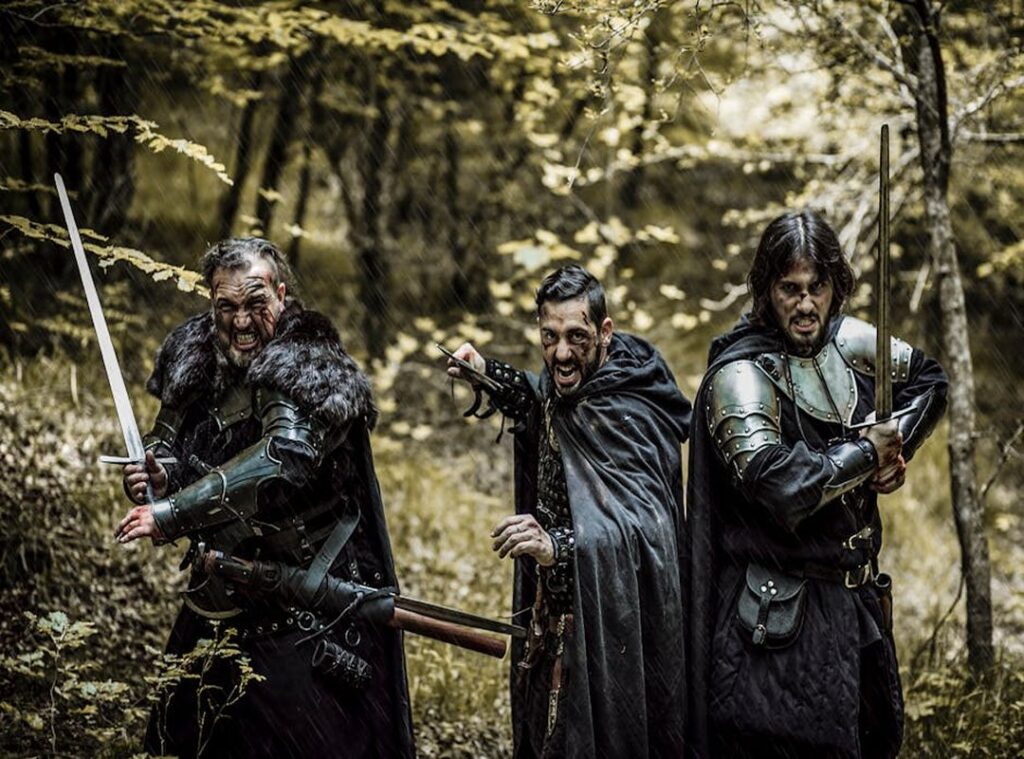
The light doesn’t just fade in Shadowfall. It unravels.
You’ve seen it happen. A campaign stalls. Players stop caring.
The villain feels flat. The world feels like set dressing.
That’s not your fault. It’s what happens when you treat Darkwarfall as mood lighting instead of a narrative engine.
I’ve run twenty-plus campaigns where Shadowfall wasn’t background noise. It was the pivot point. Where every choice bent the story, not just the plot.
Most GMs I talk to think it’s about darkness. Or evil. Or “the bad thing that happens.”
It’s not.
It’s about consequence. About pressure. About what breaks when hope gets thin.
And players? They’re tired of being told “the shadows deepen” without knowing what that does to their character’s next move.
This isn’t lore-dumping. No vague metaphysics. Just clear cause and effect.
What changes when Shadowfall hits your table? How do mechanics respond? Where does the story go when the light frays?
I’ll show you. Step by step. How to use it as a tool, not a trope.
No theory. No fluff.
Just what works.
Shadowfall Is Not Darkness. It’s a System of Consequence
Shadowfall isn’t evil creeping in. It’s the floor dropping out from under certainty.
I’ve watched it happen three times. Each time, the problem wasn’t the dark. It was how fast trust unraveled.
First pillar: erosion of certainty. You ask someone their name and they hesitate (not) because they’re lying, but because yesterday’s answer doesn’t feel true today. (Yeah, it’s that bad.)
Second: amplification of hidden motives. A healer hands you water. And you know, without proof, they need you dehydrated for their ritual later.
You still drink it.
Third: inversion of perceived safety. Sunlight? Now it casts shadows that move against the light source.
You stop trusting your eyes.
This isn’t “evil rising.” It’s logic fraying at the edges. In this article’s southern ruins, priests used to swear oaths by candle flame. Now those same candles whisper counter-oaths when no one’s listening.
Time bends too. You remember a conversation. But half the words shift each time you recall it.
Prophecies splinter into contradictory fragments. Cause and effect? Try explaining why the wound appeared before the knife touched skin.
Here’s what breaks people:
A mother hides her child in plain sight (not) to protect them, but because Shadowfall made safety itself a liability. She chooses the lie because truth has become unstable ground.
Read more about how this reshapes choice.
You don’t fight Shadowfall. You recalibrate. Every hour.
Every decision. Every breath.
How to Introduce Shadowfall Without Spoiling the Mystery
I’ve run Shadowfall three times. Each time, the best moments came before anyone knew what was happening.
Step one: subtle environmental shifts. Not a jump scare. A flicker in the candlelight that lasts half a second too long.
The scent of rain indoors when the sky is clear. You don’t name it. You just describe it.
Step two: interpersonal dissonance. One player says the door was on the left. Another swears it was always on the right.
Neither is lying. Both are certain. That’s when you lean in and say: *“The map you trusted now shows two versions of the same bridge.
Both feel equally real.”*
Step three: system-level instability. Dice behave oddly. A d20 rolls 17 three times in a row.
Then refuses to roll above 4 for ten minutes. Don’t explain why. Just let it sit.
Step four: irreversible transformation. Something changes permanently. A character’s reflection blinks first.
A scar appears that wasn’t there at session start. No rewind. No undo.
I wrote more about this in What Are the Negative Effects of Darkwarfall.
Don’t over-explain early. Ever. Sensory ambiguity is your weapon (not) exposition.
Sound. Texture. Silence.
Not backstory.
Ask yourself: What would confuse me if I heard it mid-session? That’s your line.
Track player questions. Not answers. “Wait, was the clock always ticking backward?” is better pacing than any timeline you could script.
That’s how you land Darkwarfall without flattening its weight.
Pro tip: If a player asks “What’s causing this?” (pause.) Then say the last thing they remember clearly. Nothing more.
Let the uncertainty breathe.
It’s not fragile. It’s fertile.
Player Agency in Darkwarfall: Anchoring, Translation, Recursion

I stopped letting players pick “fight” or “flee” the first time someone sobbed after their character got swallowed by the static.
Shadowfall isn’t a monster. It’s a condition. And Darkwarfall is what happens when it sticks.
So we dropped the binaries. No more resistance or surrender. Just three stances that actually do something.
Anchoring means locking onto one thing (a) locket, a memory, a half-remembered lullaby. And holding it steady for the whole session. It costs nothing.
It gives +2 to Stability checks. That’s it. That’s enough.
Translation? You don’t fight the corrupted ally. You ask: What does this version of them need to remember? Then you give it.
Loudly. Wrongly. Joyfully.
One playtest, a player handed her twisted mentor a cracked music box playing off-key. He didn’t heal. He navigated.
For ten minutes, he led them through the hollows (not) as a guide, but as a compass with bad directions.
Recursion is messier. You spot the loop in Shadowfall logic. Like the guard who only exists if you don’t look at him (and) you lean into it.
Once, a player asked the same question three times in a row. The NPC blinked out. Then back in.
With better answers.
You want numbers? Here’s what each stance changes:
| Stance | Skill Checks | Resource Decay | NPC Trust |
|---|---|---|---|
| Anchoring | +2 Stability | None | +1 per anchored object |
| Translation | +1 Insight, -1 Combat | Halved | +3 if accepted |
| Recursion | +3 Perception (vs paradox) | Double on failure | Unpredictable |
Want to know what happens when translation fails? Or why recursion burns stamina faster? What Are the Negative Effects of Darkwarfall covers that.
Don’t manage the horror. Work with its grammar.
Shadowfall Worldbuilding: Zones That Breathe, Not Just Bleed
I build zones like I live in them. Not as backdrops. Not as mood boards.
The Three Layers model keeps me honest: Surface (what you see first), Seam (where physics blinks), Core (what keeps running when nothing else should).
The Hollow Market? Vendors trade in memories. Prices shift with trust levels.
A working scale still balances. that’s the non-corrupted element. Skip it and the zone collapses into noise.
The Whisperwood grows backward. Trees remember yesterday’s sunlight and bloom accordingly. One dog stays loyal.
Not magical. Just stubborn. You need that anchor.
The Clockspire doesn’t just tick (it) folds time inward. Hours pool at the base like spilled syrup. Yet the bell still rings true at noon.
Every day.
Don’t default to ash-gray skies and crumbling bricks. Try bioluminescent rot pulsing under cracked pavement. Or silence so clean it hums.
Monotony kills immersion faster than any monster.
Darkwarfall zones fail when they forget someone still waters the one surviving rosebush.
You know that rosebush. You’ve seen it in your own work.
So ask yourself now: what’s still working in your zone?
Not what’s broken. What holds.
Start Your First Shadowfall Scene Today
I’ve shown you what actually works.
Shadowfall isn’t about bigger monsters or louder explosions. It’s about the quiet crack in someone’s memory. The name you can’t recall.
The ally who turns. not because they’re evil, but because the cost of loyalty just shifted.
That’s where Darkwarfall gets its teeth.
You felt that. You know it. That tiny betrayal stings more than any dragon’s roar.
So pick one scene you already wrote. Just one. Open your doc right now.
Rewrite the first line using one Shadowfall pillar from Section 1.
Not all of them. Not later. Now.
This isn’t theory. It’s pressure testing meaning (not) menace.
Your players won’t remember the battle stats.
They’ll remember the moment loyalty reversed (and) why.
Don’t wait for the shadows to fall (invite) them in, then ask what they’ve come to reveal.
 Joan Holtezer played an essential role in shaping Console Power Up Daily into the engaging platform it is today. With a keen eye for detail and a strong passion for gaming, Joan contributed to building the site’s structure and ensuring its content resonates with the community. Her efforts in refining features and enhancing the user experience helped the project grow into a trusted source for gamers worldwide.