
Performance That Hits Hard
Modern consoles are finally doing what players have asked for for years: cutting the wait and cranking up the smoothness. Fast load times aren’t just a quality of life perk they’re shaping how players interact with games. No more coffee breaks between levels. Less grind to restart after a death. Just boot up and go. It’s a direct result of SSDs becoming the new standard, pushing aside bulky, sluggish HDDs from old gen systems.
Then there’s frame rate the unsung hero of immersive gameplay. We’re not just talking 60FPS as a peak anymore. Consoles are aiming for stable 120FPS across titles, which means sharper motion, quicker response, and a noticeable edge for competitive players. The upgraded GPUs and better optimization pipelines are making that possible.
For casual players, it makes games feel smoother and more responsive. For competitive players, it gives every twitch and every frame that tiny, critical advantage. Either way, the new hardware isn’t just flexing on spec sheets; it’s making gaming feel better, moment to moment.
Design That Serves the Player
Console makers are finally treating design like more than just a shell. Cooling systems have taken a serious upgrade moving away from whiny fan noise and inefficient airflow. The latest units run noticeably quieter and cooler, which means longer sessions with fewer heat issues, even during graphically intense games. It’s a small change with big comfort returns.
Modular hardware is also stepping forward. Swappable parts, easier access to internal components, and better documentation mean more gamers can upgrade or repair without sending consoles away or voiding warranties. It’s about time the hardware caught up with the DIY culture players have known for years.
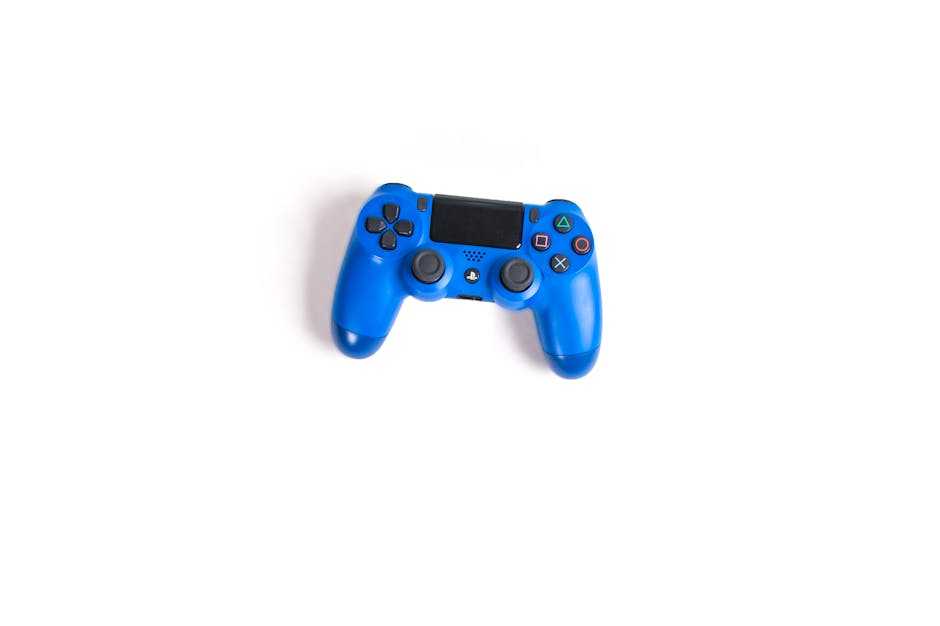
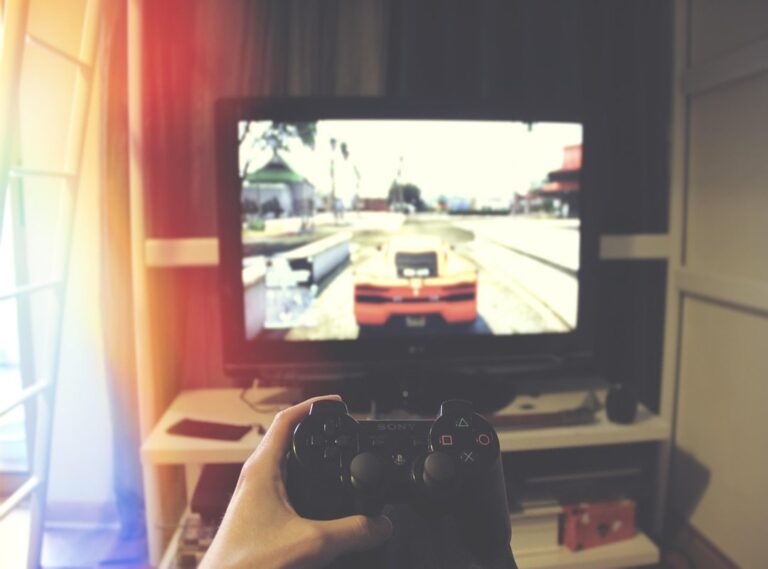
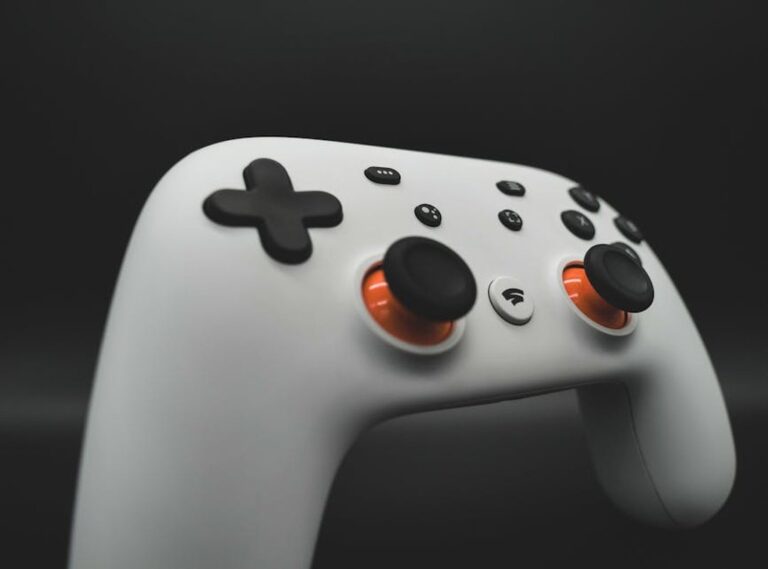
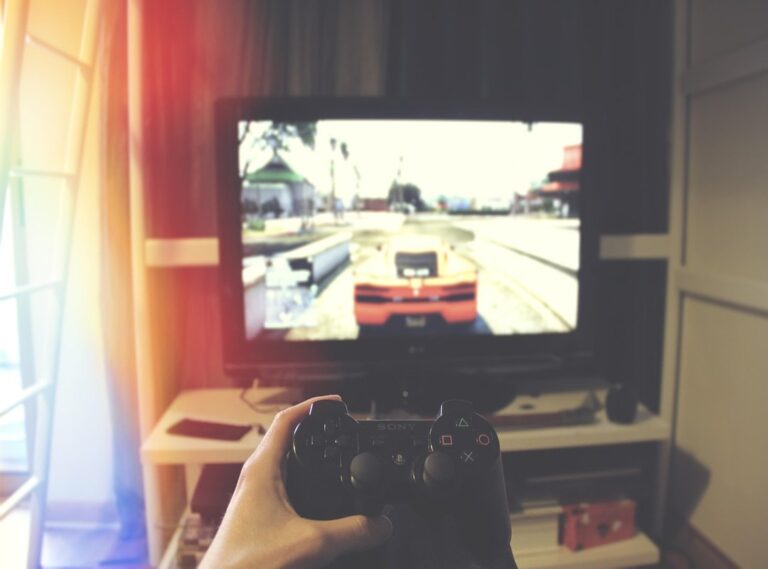
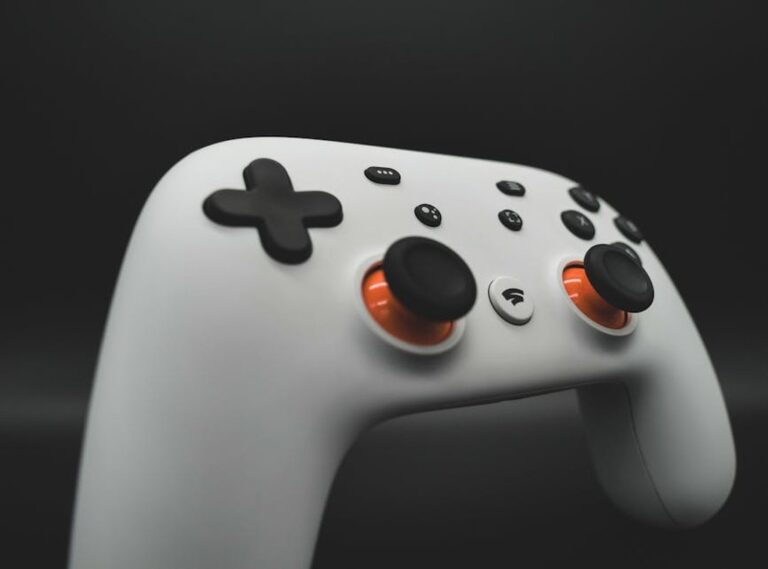
As for controllers, the evolution is more tactile than ever. Haptics has grown from a gimmick into a storytelling tool thanks to fine tuned vibrations and adaptive triggers. Whether you’re feeling tension in a bowstring or sensing terrain under virtual tires, this feedback packs immersion without needing a headset or screen upgrade. It’s not flashy but it works.
Graphics That Push Boundaries
Let’s cut through the gloss. Ray tracing, 4K resolution at 120FPS these aren’t just marketing bullet points. They mean real time shadows that actually behave like light, reflections that feel natural, and motion that’s clean even when you’re turning a corner at top speed.
But it’s not just about pixel count or raw frame numbers. What’s really changing the game in 2024 is how tightly hardware and software now work together. Consoles are finally syncing their silicon with optimized engines think Unreal 5 or proprietary tech from top studios. That combo smooths gameplay to the point where glitches and screen tears are rare enough to notice.
Visual realism? It’s leveling up beyond sharpness. We’re talking about subtle skin tones under dynamic lighting, believable fabric movement, atmosphere particles that shift in response to player actions. The line between cutscene and gameplay is getting harder to spot and that’s where immersion truly kicks in.
Bottom line: this isn’t a gimmick era. These tech upgrades mean cleaner play, higher storytelling power, and way less friction between player and game.
Staying Futureproof with Smart Upgrades
The console you bought in 2020 isn’t obsolete yet and that’s not by accident. Mid gen refreshes like the PS5 Slim or Xbox Series X upgrades are built to stretch the lifecycle without forcing everyone to jump ship. These models often pack tighter hardware, better thermals, and subtle performance gains, keeping them aligned with today’s demanding games without splintering the ecosystem.
Beyond the hardware tweaks, cross platform optimization is doing the heavy lifting. Studios are building with multiple systems in mind from day one, meaning your console keeps pace even as new titles push limits. Backward compatibility is also pulling its weight it’s not just a nostalgia feature. It allows players to carry their libraries forward, encouraging longer stays within the same ecosystem. For platform makers, that means more loyalty. For players, it means more value.
Want to dig deeper into the hardware moves keeping consoles relevant? Check out the full breakdown here: Console Hardware Upgrades.
Under the Hood: Tech that Matters
The real story in modern consoles is what you don’t see. Custom silicon from AMD and other chip developers is at the heart of the performance jump we’re seeing. These aren’t off the shelf processors they’re built from the ground up to handle gaming loads with smarter thermal management, faster multitasking, and better integration with graphics systems. In short: less lag, more play.
Power efficiency is also improving. Not in a flashy way, but in the kind that matters during long sessions or when running demanding open world games. Consoles are drawing less energy while maintaining high level performance, which matters both for your electric bill and for the hardware’s lifespan.
Add to that a new layer of intelligence: AI assisted asset loading and predictive rendering. Games now load what you need before you need it. Backgrounds, animation frames, scene transitions they’re all prepped in real time based on player behavior. That keeps the gameplay flowing without visual hitches, and speeds up fast travel, cutscenes, and in engine transitions. Less waiting, more immersion.
The bottom line: under the hood, today’s consoles are doing more with less, and predicting your next move before you even press a button.
What It Means for Developers (And You)
Better hardware doesn’t just make games prettier it removes barriers. Developers now work with consoles that can handle more complex systems, larger open worlds, and smarter AI without tanking performance. That means fewer compromises and more room to create the kinds of experiences they’ve been dreaming about for years.
Shorter dev cycles don’t mean rushed games. With powerful toolsets and engines optimized for current gen consoles, teams can iterate faster. Real time lighting, procedural environments, and scalable assets are shaving off months of what used to be grunt work. That saved time goes back into storytelling, gameplay depth, and polish.
What’s different now is the gap between imagination and execution is closing. Artists and designers aren’t just working around constraints they’re pushing the limits. You’re seeing it in games that weren’t possible five years ago: dynamic worlds that respond to your choices, combat systems that feel that much more physical, and characters with emotional range that isn’t canned.
In short: the gear has finally caught up. Game design is no longer limited by what hardware can’t do. It’s now driven by what creators want to build.
Where It’s Headed
The next chapter of console gaming isn’t just about faster specs it’s about breaking the box completely. Cloud hybrid processing is already poking holes in the old model, blending local power with server side muscle. That means massive open worlds rendered in real time, without melting your console. Edge computing steps in to keep latency down, making the experience smoother across regions and devices.
Meanwhile, VR and AR aren’t just buzzwords anymore. We’re seeing subtle integrations begin mixed reality menus, environmental scanning for home play, and early support for next gen headsets. Console makers are building the scaffolding now, quietly but deliberately.
And then there’s full immersion. Think spatial audio, neural haptics, and living game worlds that adapt to how you play. Hardware is inching toward that future not tomorrow, but soon. The point is clear: console gaming is no longer trapped in plastic. It’s expanding fast, and players who pay attention to these moves will be the ones ready when the shift becomes the standard.
For more on what’s driving this evolution, check out the full breakdown here: Console Hardware Upgrades.
























































































































































































































































































































































































































































































































































































































































































































































































































































































































































































































































































































































 Valmira Mythvessa, the visionary founder of Console Power Up Daily, created the platform with a mission to empower gamers through knowledge and insight. With her dedication to gaming culture, she built a hub that delivers the latest gaming news, expert tips and tricks, previews of upcoming releases, and in-depth hardware insights. Her leadership reflects a commitment to keeping the gaming community informed, inspired, and equipped to elevate their play every single day.